

When constructing a steel hall, carefully considering the location and local weather conditions is essential. As extreme weather events become increasingly frequent, the structural safety and reliability of commercial buildings are more critical than ever.
Data from the Austrian lightning detection system (ALDIS) highlights this reality: 100,309 lightning strikes were recorded across Austria in 2024 alone.
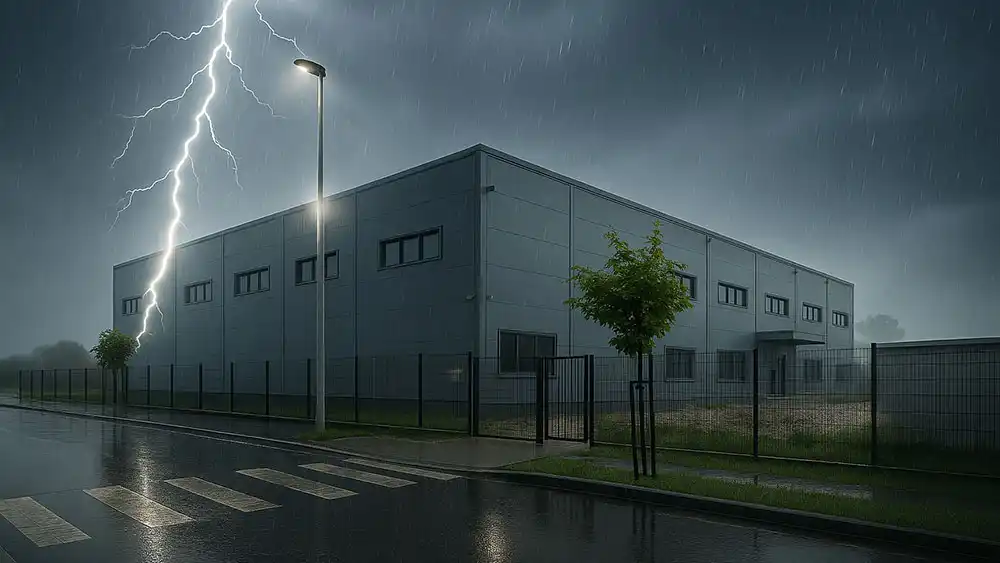
Visual simulation: Lightning strike near a steel hall
Lightning protection for steel structures and legal regulations
Lightning protection for steel halls comprises a range of technical and organisational measures intended to prevent or minimise the risk of damage to buildings, electrical installations and people from direct lightning strikes or the indirect effects of atmospheric discharges.
In Austria, this field is governed by the national standard ÖVE/ÖNORM EN 62305 (based on European standard EN 62305), which establishes the fundamental requirements for designing and installing lightning protection systems.
A key advantage of steel halls is the material of their load-bearing structure. Thanks to steel’s excellent electrical conductivity, the structure itself does not increase the risk of a direct lightning strike; instead, it provides a safe, controlled path to discharge energy into the ground. However, a dedicated lightning protection system remains vital to prevent thermal damage and protect against strong electromagnetic fields generated during a strike.
How to ensure effective lightning protection
Maximizing safety requires selecting and professionally installing four core protective components:
- Air-termination and down-conductor systems: Intercept direct strikes and safely direct current toward the earth. Steel structures often act as natural down conductors, provided they are correctly bonded to the steel hall grounding system
- Steel hall grounding systems: Essential for safely dissipating lightning energy into the earth. Deep grounding electrodes or ring earth electrodes are typically installed to maintain low grounding resistance.
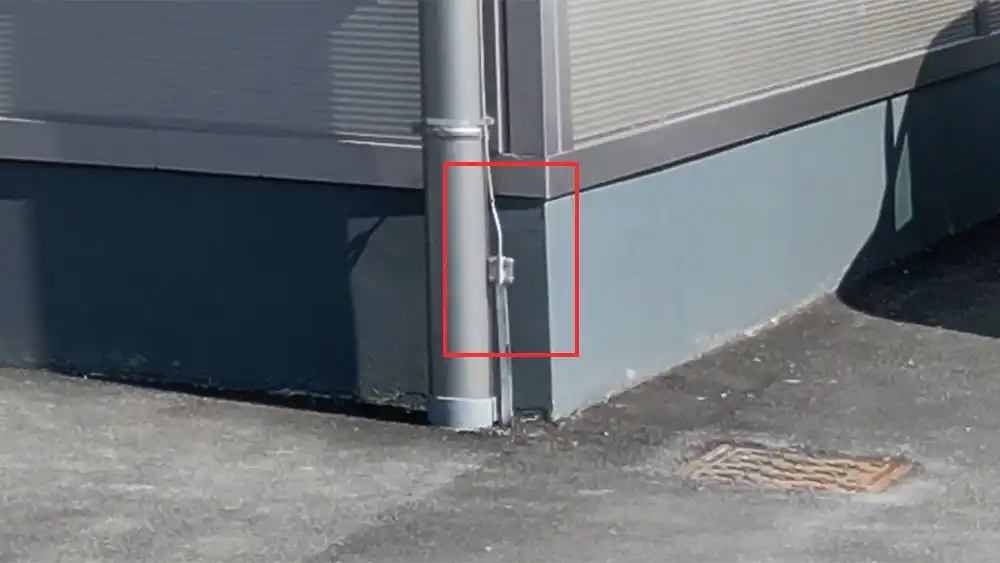
Connection of the lightning conductor to the reinforcing steel
- External cable protection: Exterior wiring—such as connections for rooftop photovoltaic (PV) systems or HVAC equipment—requires additional surge arresters and specialized cable insulation.
- Internal surge protection: Surge protection devices (SPDs) protect internal electrical infrastructure against induced overvoltages and electromagnetic interference caused by indirect strikes.
When engineering these systems, site-specific factors such as regional lightning density, topography, and proximity to neighbouring infrastructure are fully integrated into the design.
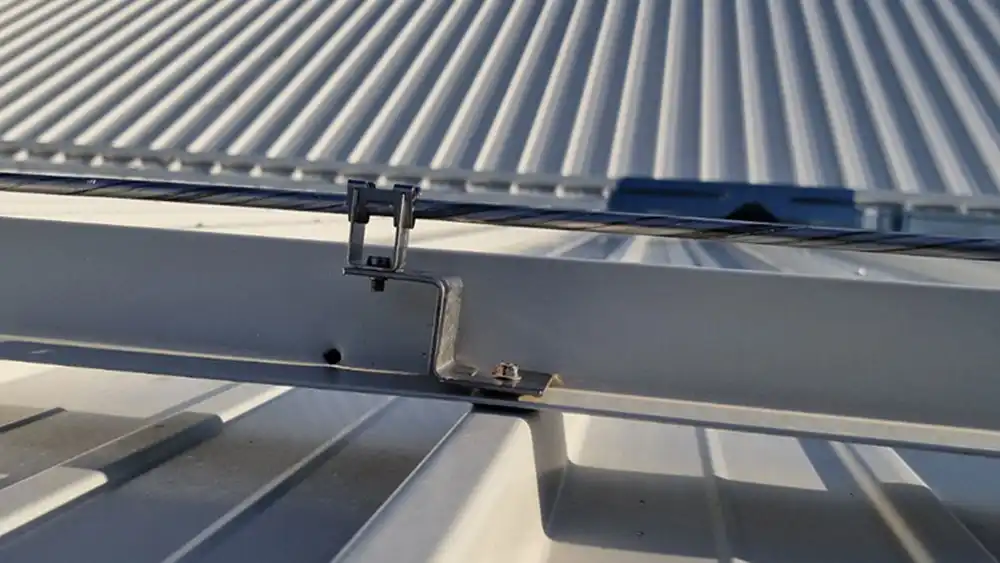
Mounting the lightning conductor on the roof of a steel hall
Lightning protection for Schwarzmann halls
Schwarzmann brings decades of expertise to the design, manufacture, assembly, and maintenance of customized commercial steel buildings. Every hall we deliver strictly complies with applicable safety standards and regional building regulations.
For specialized lightning protection installation, we partner with certified engineering specialists to deliver turnkey reliability.
Looking to secure your next building project?
Contact our team today to develop a safe, tailored solution for your facility.
FAQ – Frequently asked questions
- How is effective lightning protection implemented for steel halls?
Through a professionally designed and installed protection system consisting of air-termination devices (lightning conductors), a grounding system and surge protection.
- Are steel halls struck by lightning more frequently than other buildings?
No. The likelihood of a strike depends on the building’s location, height, and surrounding terrain—not the structural material.
- Is steel a safe construction material for halls in exposed locations?
Yes. Due to its high electrical conductivity, structural steel is ideal for safely channeling lightning currents into the ground, provided the system is properly engineered and grounded.